
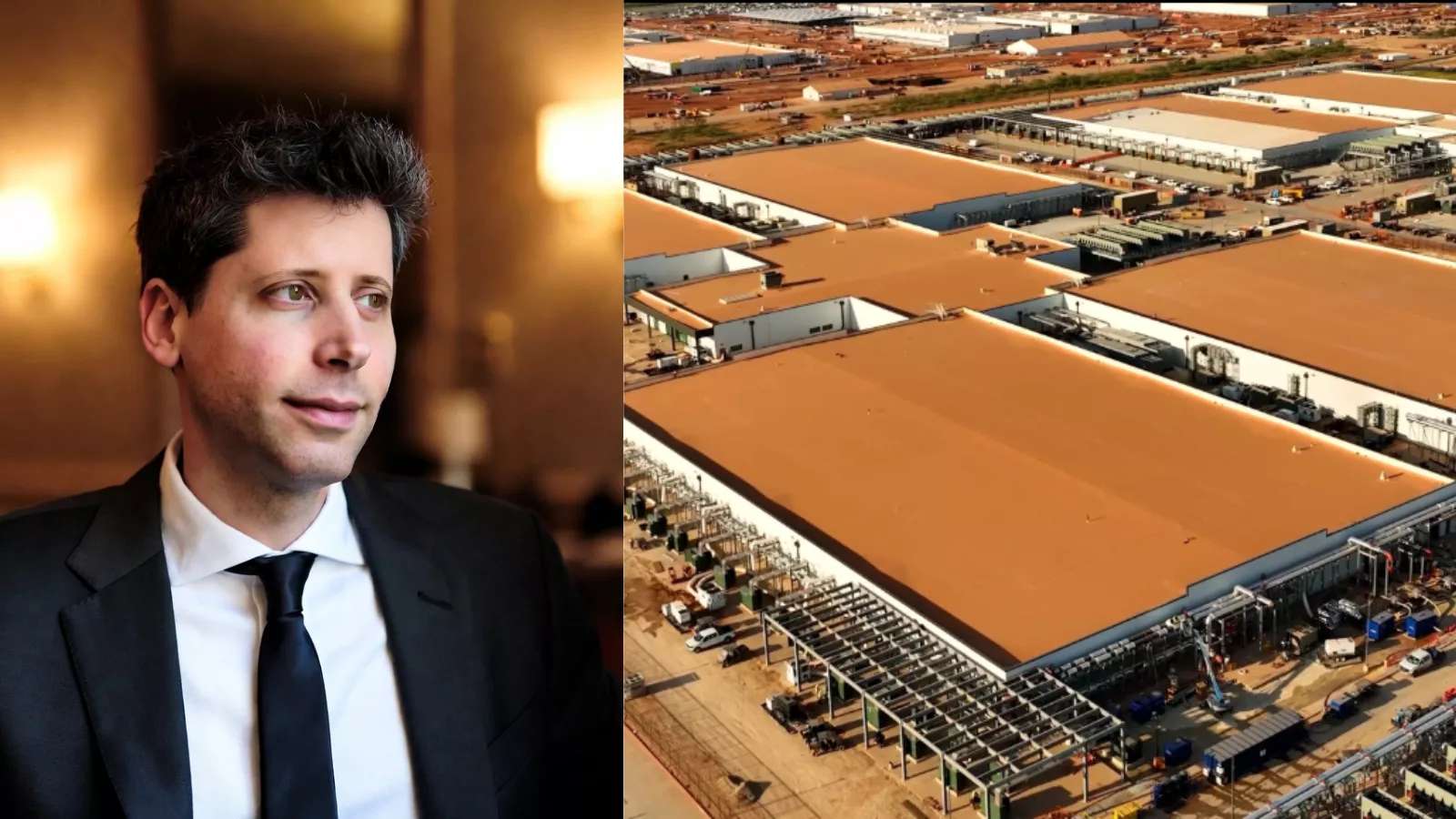
A major shift is happening behind the scenes of the AI boom, and it has little to do with flashy models or viral demos. OpenAI and SoftBank are jointly investing roughly one billion dollars into Stargate data centers, signaling that the next phase of artificial intelligence will depend less on ideas and more on physical capacity.
This investment stands out because it focuses on infrastructure rather than consumer-facing products. While most attention stays on new AI features, this move quietly addresses the biggest bottleneck AI companies now face: the ability to run larger, more demanding models at scale without breaking performance or cost limits.
Why Infrastructure Is Suddenly the Real Battleground
AI development has reached a point where better models alone no longer guarantee progress. Training and running advanced systems now requires massive compute power, reliable energy supply, and highly optimized data centers. Stargate aims to provide exactly that foundation.
By investing early in large-scale infrastructure, OpenAI and SoftBank position themselves ahead of competitors who still rely on shared or limited capacity. This approach suggests they expect AI workloads to grow faster than current systems can handle, especially as models move beyond text into video, agents, and real-time reasoning.
What Stargate Signals About the Next AI Wave
Stargate data centers are not just about more servers. They reflect preparation for a different type of AI usage. Future systems will likely operate continuously, handle complex environments, and support enterprise-scale deployments rather than short user interactions.
This matters because the next wave of AI will not live only in chat windows. It will run logistics, design systems, analyze markets, and support autonomous tools that require constant uptime and low latency. Stargate looks built for that world, not the one defined by simple prompts and responses.
SoftBank’s Role Reveals a Long-Term Play
SoftBank’s involvement adds another layer of meaning. The firm has a long history of backing infrastructure-heavy technology shifts before they become obvious. By aligning with OpenAI on physical AI capacity, SoftBank signals confidence that demand for large-scale AI computing will remain strong for years, even as hype cycles come and go.
From my perspective, this feels less like a short-term investment and more like a commitment to owning a critical layer of the AI stack. Control over infrastructure often determines who scales fastest when demand spikes.
Why This Bet Matters More Than It Looks
This billion-dollar investment may not grab headlines like a new model launch, but it shapes what becomes possible next. AI progress increasingly depends on who can afford to build and operate the backbone that supports advanced workloads.
OpenAI and SoftBank appear to be betting that the future of AI belongs to those who prepare for scale before everyone else realizes it is necessary. That quiet preparation could decide which companies lead the next phase of AI, long after the excitement around individual models fades.