
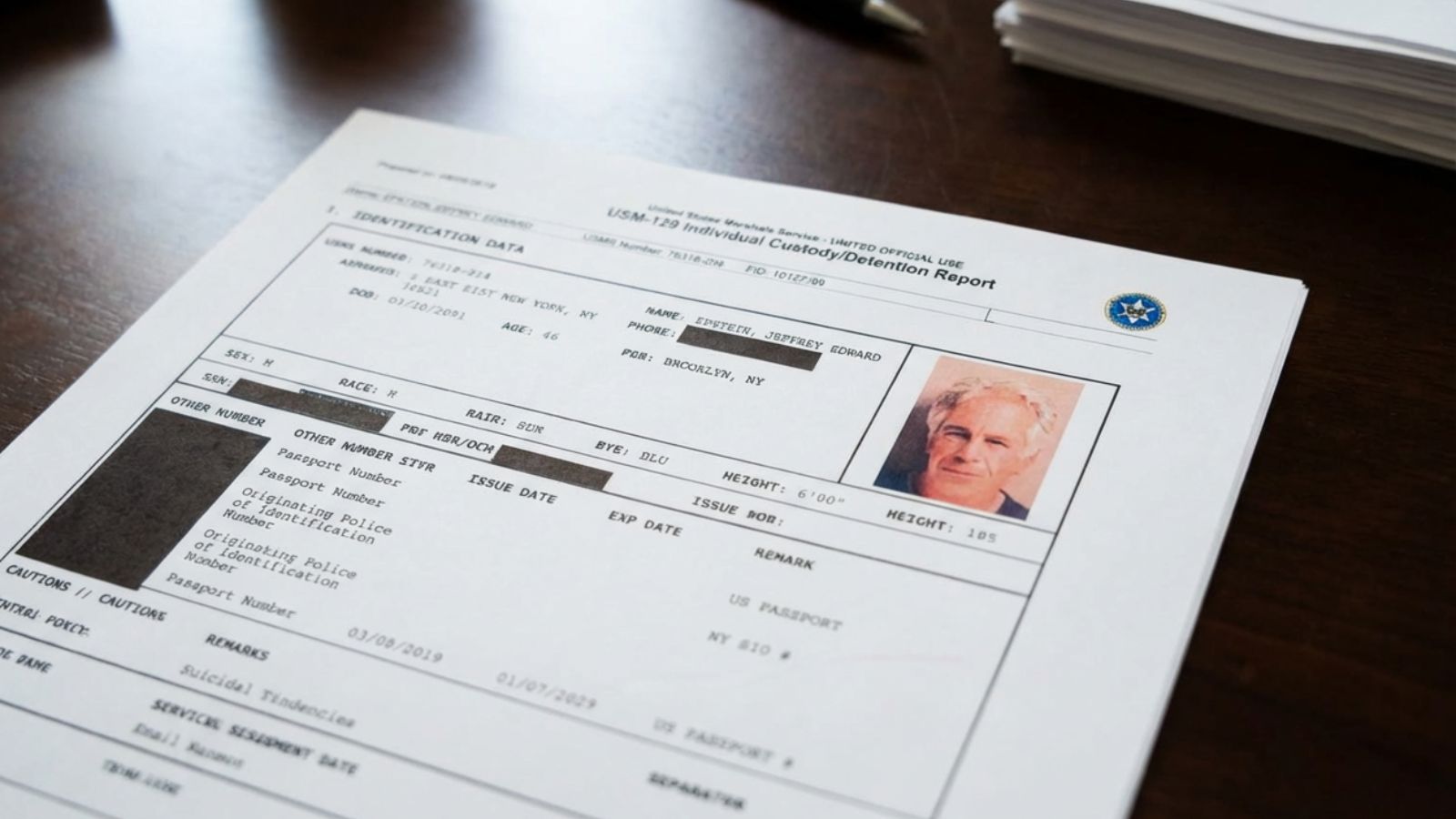
Jmail Epstein Email Archive: When people hear “millions of pages,” it sounds abstract, almost untouchable. That changed when the sprawling Jeffrey Epstein email archive, estimated at more than 3.5 million pages of material, was narrowed down to what many now describe as a single, traceable inbox. That shift is why this story has caught attention again, not because new allegations surfaced overnight, but because scale finally became readable.
For years, investigators, journalists, and courts dealt with Epstein-related material in fragments. Court filings, sealed exhibits, scattered emails, and document dumps made it difficult to see patterns clearly. The idea of a consolidated email archive changes that dynamic. Instead of chasing pieces, analysts can now examine communication flows, timelines, and networks in one place.
Why the “One Inbox” Framing Matters
Reducing millions of documents to one structured archive is not about minimizing the scope. It is about making it usable. When emails sit inside a single system, relationships become easier to map. Who emailed whom, how often, and when conversations intensified suddenly become visible.
From my perspective, this is where digital evidence becomes powerful. Raw volume overwhelms people. Structure creates accountability. An inbox forces chronology, context, and comparison, which scattered PDFs never could.
What People Are Reacting To Jmail Epstein Email Archive
Online discussions show that many people are less focused on shocking details and more focused on process. The reaction is about how modern investigations work. Data consolidation, not leaks, drives clarity now. Some commenters see this as overdue transparency. Others worry about selective interpretation when so much information flows through a single lens.
Just started looking into the Epstein emails, Don’t know what to think
byu/xandour01 inEpstein
That tension explains why the archive feels significant even without new revelations. It represents a shift from document chaos to narrative coherence.
The Broader Implications
Email archives have played a role in major investigations before, but this case highlights how digital records age. Messages written casually years ago now sit inside systems designed for forensic scrutiny. That reality affects not just high-profile cases, but how institutions, businesses, and individuals think about permanence.
Media analysis of Epstein documents
The Epstein archive also shows how long accountability can take in the digital age. Information existed for years. Only now does it feel accessible enough to analyze at scale.
A Personal Take on Why This Story Sticks
What stands out to me is not the inbox itself, but what it represents. We live in a time where truth often hides not because it is secret, but because it is buried under excess. Turning 3.5 million pages into something readable does not end debates, but it changes who can participate in them.
That shift matters. It reminds us that power in modern investigations often comes not from discovering new data, but from finally making sense of what was already there.